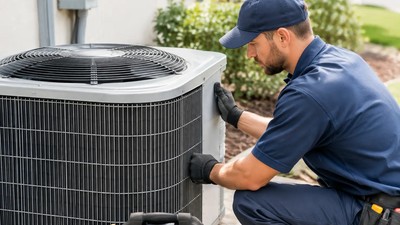
A furnace rarely quits at a convenient time. It may start with one room that stays cold, a thermostat that never seems satisfied, or a new sound coming from the utility closet. When you need furnace repair Little Rock homeowners can depend on, the priority is not a sales pitch. It is getting a straight answer about what is wrong, what it will take to fix it, and whether the repair makes sense for your system.
A working furnace matters just as much in a family home as it does in a small office, rental property, or neighborhood storefront. Acting early can often prevent a small issue from becoming a no-heat call, a larger repair, or avoidable damage to equipment.
Signs You May Need Furnace Repair in Little Rock
Not every furnace problem means the system is finished. Many repairs involve parts that wear out over time, electrical connections, airflow restrictions, or settings that need to be corrected. The key is recognizing when a change in performance deserves professional attention.
If the furnace runs but the house does not warm up, the problem may involve the thermostat, ignition process, blower, filter, ductwork, or the furnace itself. A system that turns on and off repeatedly, known as short cycling, should also be checked. Frequent cycling puts extra strain on components and can leave the home unevenly heated.
Pay attention to unfamiliar sounds. Banging, squealing, scraping, rattling, or a loud boom when the furnace starts are not sounds to ignore. Some are caused by a loose panel or minor adjustment, while others can point to a worn motor component, ignition issue, or blower problem. Waiting does not make the noise more normal.
Other reasons to schedule service include higher-than-expected utility bills, weak airflow from vents, cold spots between rooms, a furnace that takes longer than usual to heat the home, or a pilot or ignition system that fails to start consistently. If you smell gas, leave the building, avoid switches or open flames, and contact the gas utility or emergency services from a safe location. Do not try to diagnose a possible gas leak yourself.
What a Clear Furnace Diagnosis Should Include
A proper repair visit should do more than restart the furnace and hope for the best. The technician should look for the cause of the failure, test the system safely, and explain the result in plain language before work begins.
That process often starts with the basics: thermostat operation, power supply, safety switches, filter condition, airflow, and visible signs of wear. From there, the technician may inspect the ignition system, flame sensor, blower assembly, control board, inducer motor, gas connections, venting, and other components based on the symptoms.
The goal is to separate the actual repair from the guesswork. For example, a furnace that will not ignite could have a dirty flame sensor, a failing igniter, a venting concern, a pressure switch issue, or a control problem. Those repairs are not interchangeable, and replacing parts without testing can waste time and money.
You deserve to know what failed, why it matters, what the repair will cost, and what to expect afterward. A fair price before work starts gives you room to make a decision without being pressured during an already stressful situation.
Repairs That Usually Make Good Sense
A repair is often the practical choice when the furnace has been dependable, the issue is isolated, and the equipment is not near the end of its expected service life. Replacing a flame sensor, igniter, capacitor, thermostat, or blower-related part can restore dependable heat without turning a manageable service call into a major project.
Age matters, but it is not the only factor. A well-maintained furnace may be worth repairing even if it is older, especially when the repair is reasonable and the system has not had repeated breakdowns. The condition of the heat exchanger, the history of prior repairs, parts availability, and the furnace's efficiency all help shape the decision.
When Replacement Deserves a Conversation
Replacement may be worth considering when repair costs are significant, the furnace has a cracked heat exchanger, parts are difficult to find, or breakdowns have become a pattern. It can also make sense when a system is oversized, undersized, or no longer heating the property evenly despite repairs.
That does not mean every older furnace should be replaced. The right answer depends on the repair at hand and your plans for the property. A good contractor should explain both paths clearly, not use a repair call as an excuse to push equipment you did not ask for.
Simple Checks Before You Call
There are a few safe items homeowners and property managers can check before scheduling a visit. Confirm that the thermostat is set to heat and set above the current room temperature. Make sure the furnace switch and electrical breaker have not been turned off. Check whether the filter is heavily loaded with dust and replace it if needed using the correct size and airflow rating.
Also make sure supply vents and return grilles are not blocked by furniture, boxes, or rugs. If your furnace uses a high-efficiency venting system, look outside to see whether the intake or exhaust pipe is visibly blocked by leaves or debris. Do not take apart panels, bypass safety controls, or repeatedly reset a furnace that will not run. Repeated attempts can make diagnosis harder and may create a safety concern.
If these basic checks do not restore normal operation, it is time for a service professional. Writing down what the furnace is doing, when it began, and whether any lights or messages appear on the thermostat can help speed up the visit.
Why Preventive Furnace Maintenance Pays Off
Most furnace failures give at least some warning before they become urgent. A fall tune-up gives a technician the chance to inspect the system before it is carrying the full load of cold-weather operation. It is also the right time to catch dirty burners, weak ignition components, blower wear, loose electrical connections, drainage concerns, and airflow problems.
Maintenance is not a guarantee that a part will never fail. Parts still age, and unexpected issues can happen. But regular service can reduce surprises, protect efficiency, and help a furnace last longer. It also gives homeowners a record of how the system has been performing over time.
For landlords and light commercial property owners, planned maintenance can be especially helpful. A heating interruption affects tenants, employees, customers, and daily operations. Scheduling service before a problem becomes urgent is generally easier than trying to coordinate repairs during a cold spell.
Barger Mechanical offers a $199 annual maintenance plan with a spring visit and a fall furnace visit, giving Central Arkansas property owners a practical way to stay ahead of seasonal heating concerns.
Choosing a Little Rock Furnace Repair Company
When the heat is out, it is easy to choose the first company that answers the phone. Fast response matters, but so do communication and accountability. Look for a local HVAC contractor that explains the diagnosis clearly, provides pricing before beginning work, respects your property, and does not treat every service call as a reason to sell a replacement.
Ask whether the technician can explain the immediate problem and whether there are any other concerns worth watching. Those are different conversations. A worn part that needs repair now should be addressed directly. A future consideration should be presented as information, not pressure.
Local service also matters after the repair. You want a company that understands Little Rock and Central Arkansas homes, can return if needed, and intends to build a relationship rather than simply complete a transaction. Good furnace repair is not just about getting heat back for the night. It is about making sure the system is operating safely and reliably once the technician leaves.
If your furnace is showing warning signs, do not wait for a complete shutdown to get answers. A prompt inspection can bring clarity, protect your comfort, and help you make a sensible decision for your home or property.